
Transient Fluid Mechanics Laboratory
Research
Two threads run through everything we do: shock waves and compressible flow on one side, multiphase flows made visible by refractive index matching on the other. Both depend on time-resolved measurements of fast events, and on building the experiments that make those measurements possible.


Compressible flows and shock waves
How moving shock waves reflect, diffract and recover when they meet area changes, constrictions and porous barriers inside ducts, studied in our automated shock tube with high-speed schlieren imaging and large-eddy simulation.
-
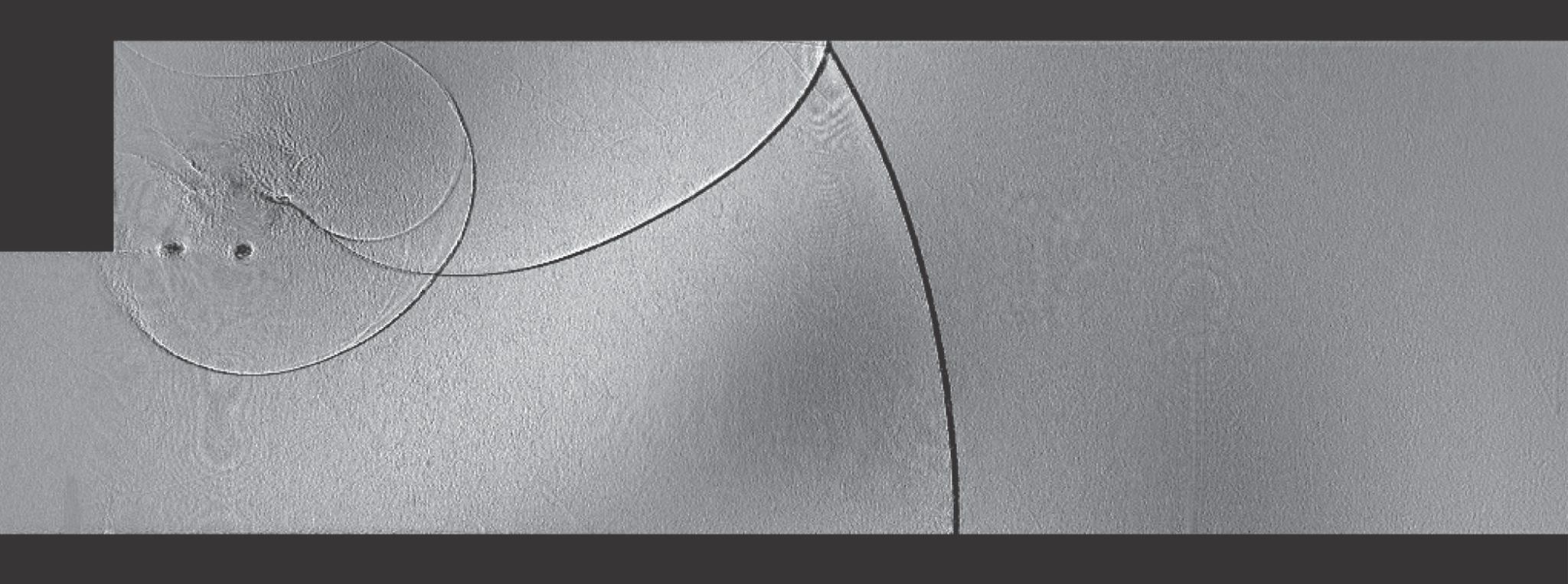
Shock waves through abrupt area changes
A shock crossing a step bends and bounces between the walls before it flattens out again.
Read about the project -
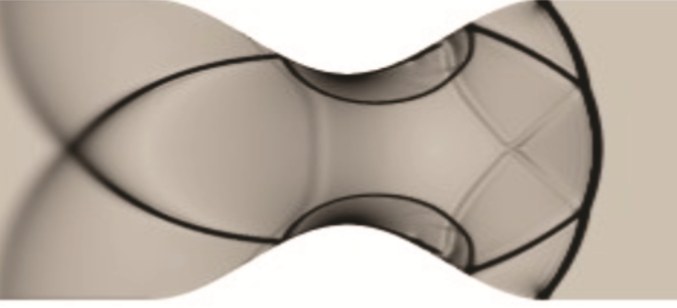
Shock interaction with local constrictions
How a shock wave behaves squeezing through a short narrowing.
Read about the project -
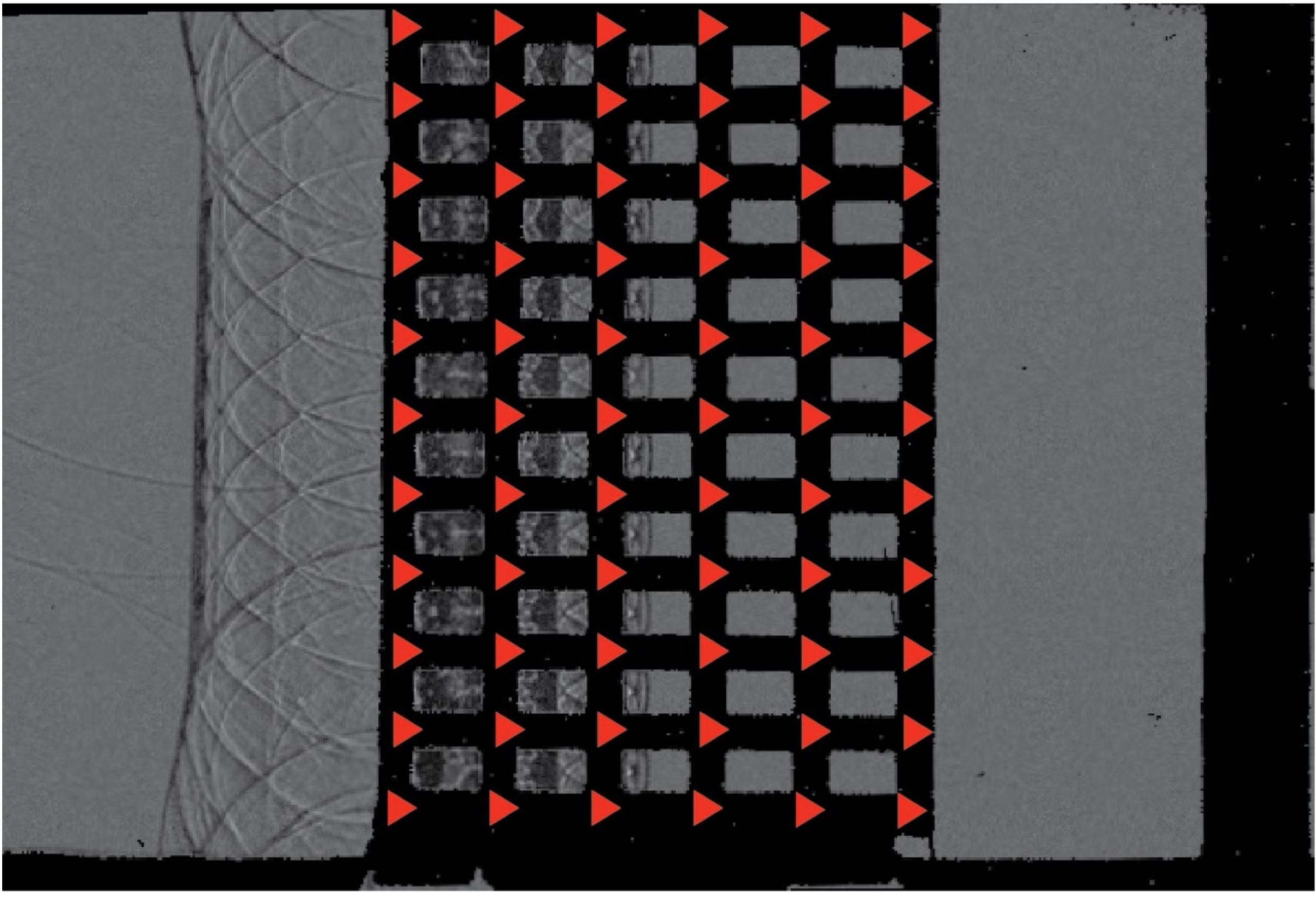
Shock waves and porous media
A porous layer smooths the pressure behind a shock, so the load on a wall can be predicted.
Read about the project
Multiphase and index-matched flows
Time-resolved, three-dimensional measurements of solids, bubbles and droplets in liquids, made possible by matching the refractive index of the fluid to the walls and particles so that four high-speed cameras can see the whole flow at once.
-
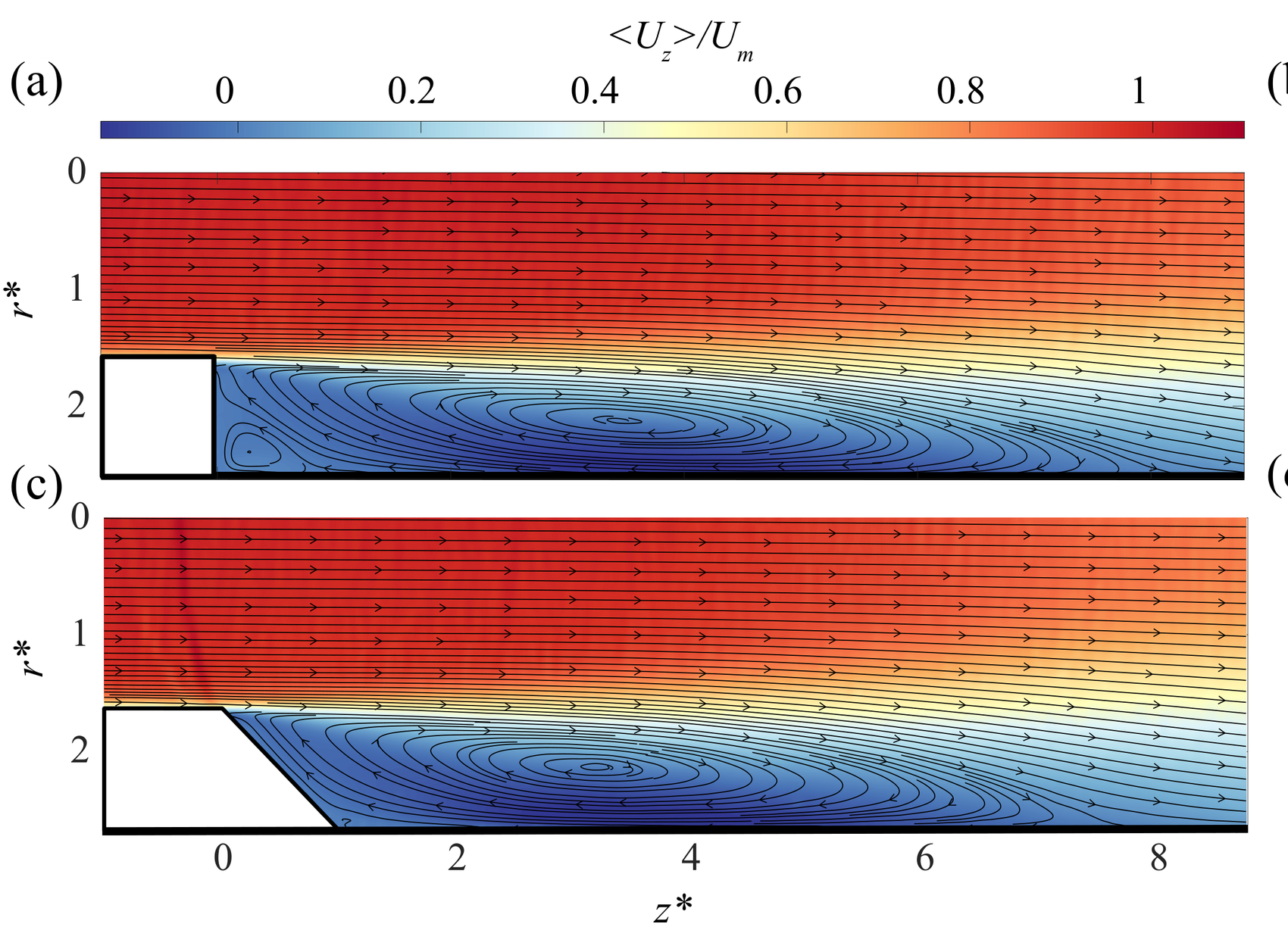
Turbulence in round pipes across area changes
A gentle taper costs more pressure than a sharp step. We measured why.
Read about the project -
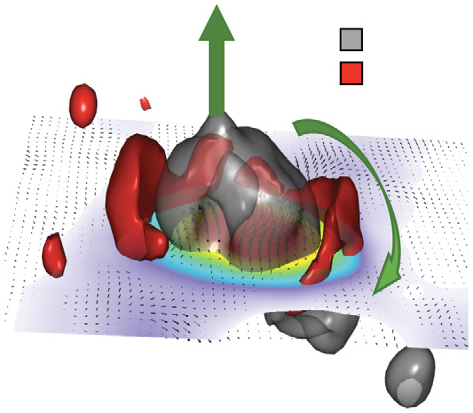
Tomo-PTV of buoyancy driven spheres
We make a rising sphere invisible, then find it again to measure the forces on it.
Read about the project -
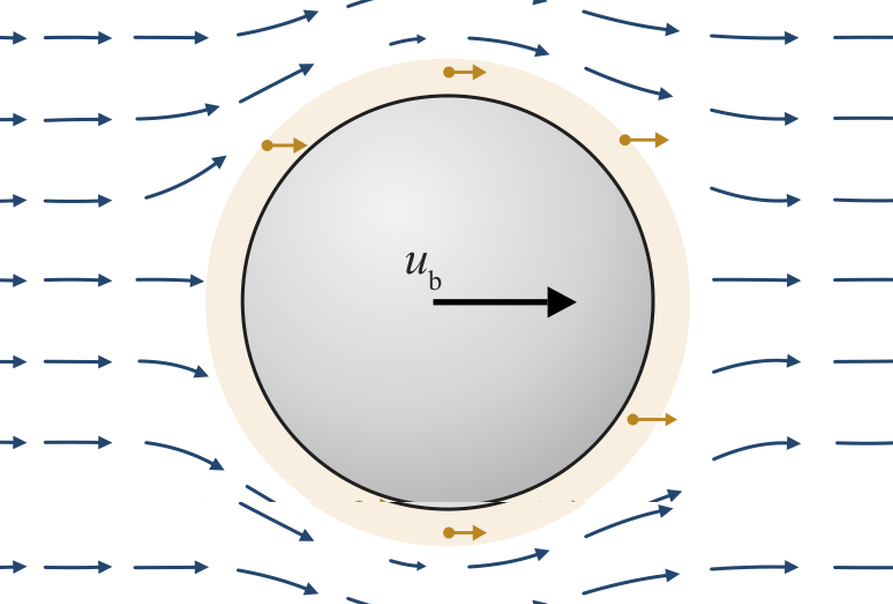
Seeing the flow right next to a moving body
Measuring the flow right up to a moving surface, where ordinary reconstructions go wrong.
Read about the project -
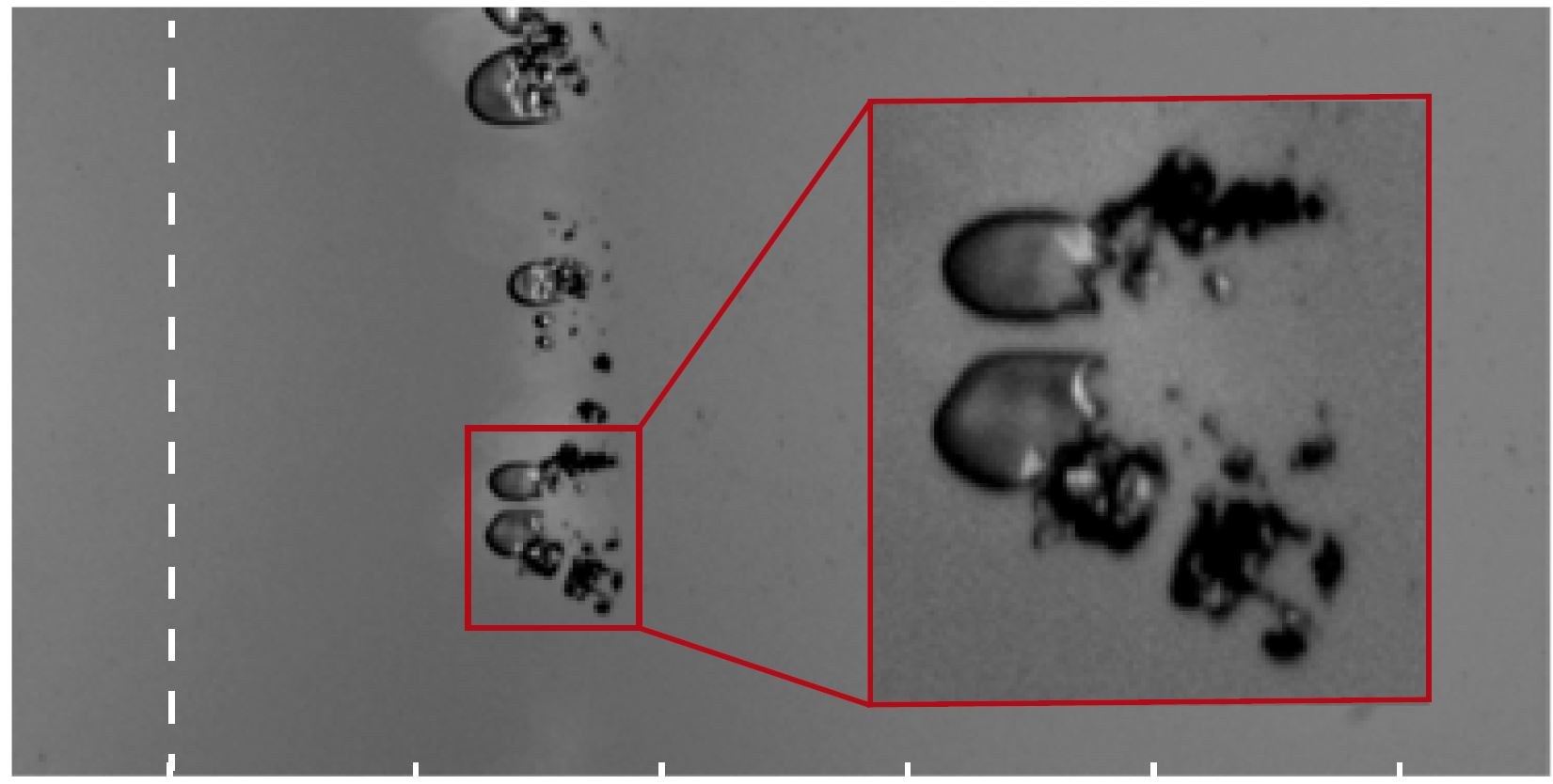
Inception of attached cavitation
Microbubbles trapped near the wall keep restarting cavitation, whatever the flow carries.
Read about the project -
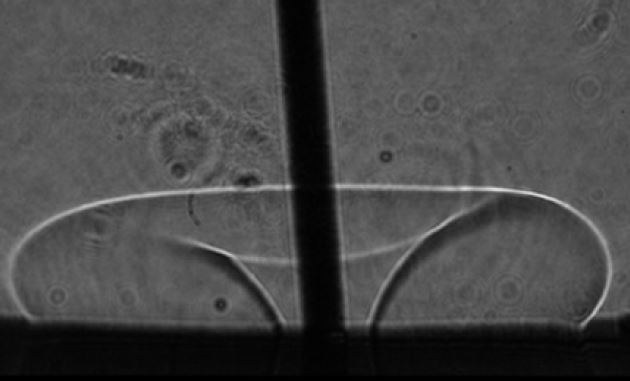
Oil–water separation and thin water films
A droplet crossing into oil stays wrapped in a water film far longer than the crossing itself.
Read about the project -
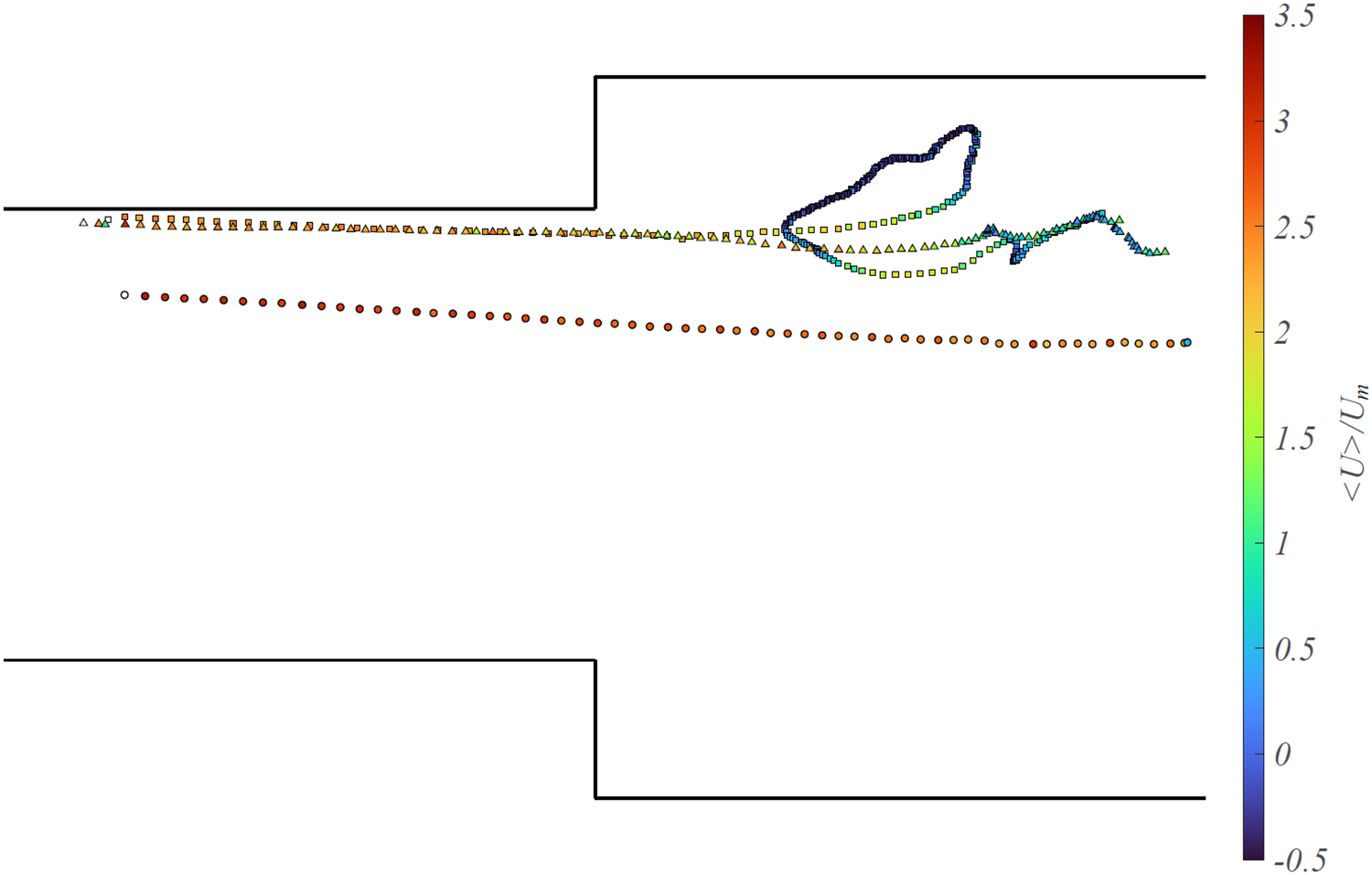
Inertial solids in high-speed pipe flow
Following solid spheres through fast pipe flow in three dimensions.
Read about the project